Water Fire Extinguishers (Class A) in Sydney & NSW
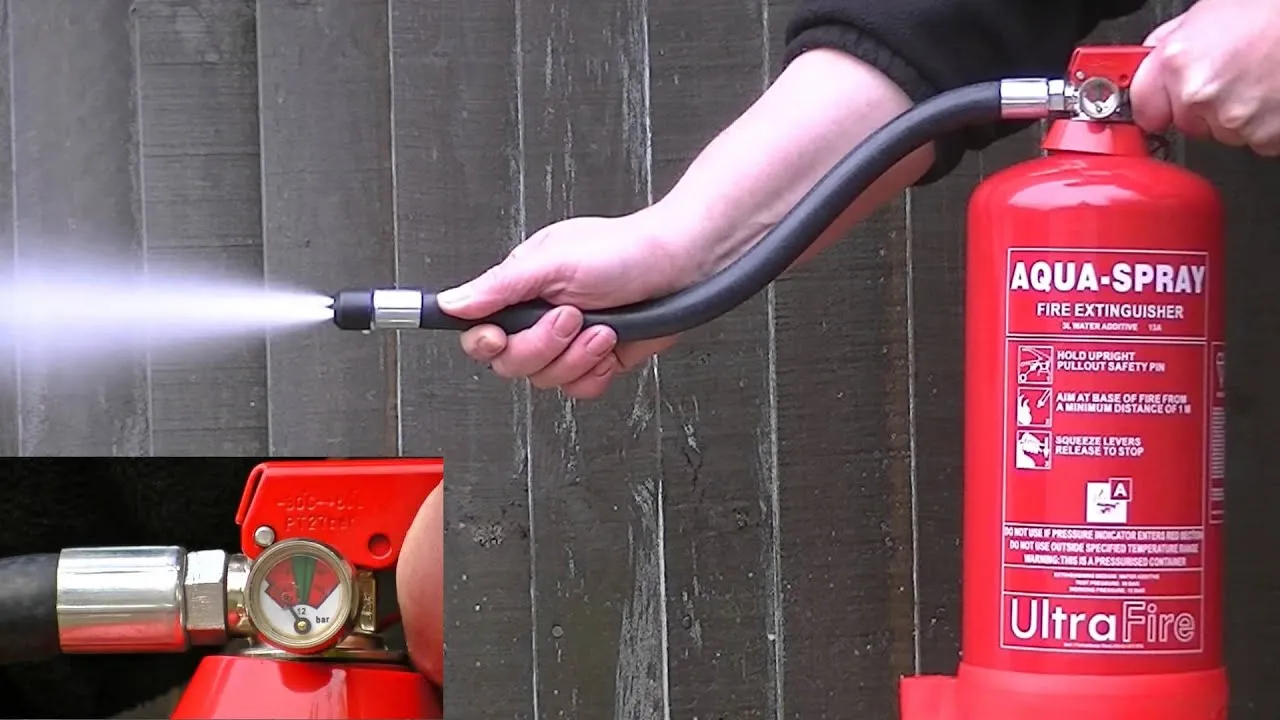
A water fire extinguisher uses a combination of water and compressed air to extinguish fires involving solid organic combustibles – the type of materials that make up the majority of fire risk in offices, schools, libraries, churches, and retail environments. These are known as Class A fires, and the water extinguisher remains the most economical and straightforward solution for environments where this is the primary risk.
SPS Fire & Safety supplies and installs water fire extinguishers for commercial and residential clients across Sydney and NSW. All units are approved to AS/NZS 1841.2 and installed in compliance with AS 2444, including all required identification signage and placement to cover the required floor area.
What Is a Class A Fire Extinguisher Used For?
A Class A water fire extinguisher is effective against fires involving:
Paper, cardboard, and printed materials
Wood and timber products
Fabric and upholstery
Plastics and rubber
General organic combustibles found in offices, classrooms, and retail spaces
Important: a water extinguisher must never be used on electrical (Class E) fires, flammable liquid (Class B) fires, or cooking oil (Class F) fires. If your environment has mixed fire risks, speak to us about the right combination of extinguisher types to meet your obligations under AS 2444.
WHAT IS WATER FIRE EXTINGUISHER?
Water extinguishers are the most traditional and widely recognised type of fire extinguisher. Identifiable by their plain red cylinder with no colour band, they are filled with water and designed specifically for Class A fires involving ordinary combustible materials such as wood, paper, and textiles.
Water fire extinguishers should only be used on Class A fires and are ideal for environments such as offices, warehouses, and schools, where they help cool burning materials and prevent re-ignition. They are chemical-free, environmentally friendly, and highly effective for these types of fires.
Water fire extinguishers typically come in a 9-litre size, making them suitable for a wide range of commercial and industrial applications.
Can You Use a Water Extinguisher on Electrical Fires?
No. Water is electrically conductive, which makes it dangerous to use on live electrical equipment. For environments with electrical risk, a CO2 or ABE dry powder extinguisher is required. For environments with mixed risk (Class A and E), an ABE dry powder extinguisher covers both and is often the more practical choice. Our team can assess your space and advise the correct mix of fire equipment for your specific risk profile.
How Many Fire Extinguishers Does an Office Need in NSW?
The number and type of extinguishers required depends on the floor area of the space and the risk classification of the environment, as set out in AS 2444. As a general guide, one extinguisher is typically required per 200m² of floor area for standard Class A risk environments, with extinguishers spaced so that travel distance to any unit does not exceed 30 metres. Our team conducts site assessments to determine the correct number, type, and placement for your specific building.
Supply, Install & Service in Sydney & NSW
SPS supplies and installs water fire extinguishers for offices, schools, retail tenancies, and low-risk commercial properties across Sydney and NSW. We provide competitive pricing, professional installation with correct signage, and scheduled servicing to keep your equipment compliant. Get a water fire extinguisher supply and install quote in NSW today.
WHERE WATER EXTINGUISHERS ARE USED
Class A
SOLID COMBUSTIBLES
— Wood & timber
— Paper & cardboard
— Textiles & fabric
— Some plastics
ELECTRICAL SAFETY WARNING
Water extinguishers must never be used on electrical fires or near live electrical equipment. If electrical risks are present in your environment, a CO2 or ABE dry powder extinguisher must be provided in addition to, or in place of, water units.
Our Process
How It Works
Water extinguishers suppress fire through cooling. When applied to burning material, water:
Absorbs heat from the fuel
Reduces the temperature below its ignition point
Prevents continued combustion
By removing heat from the fire triangle, the flame is extinguished and the likelihood of re-ignition is reduced.
NCC / BCA Considerations
Under the National Construction Code (formerly BCA), buildings must be protected against relevant fire risks, including Class A hazards.
However, in many building classifications, where a fire hose reel system is installed and compliant, the NCC permits Class A protection to be satisfied without requiring additional water extinguishers. This means:
Water extinguishers may not provide additional compliance value where hose reels are present.
Selection should be based on hazard assessment, not simply tradition or cost.
This is an important design consideration during compliance reviews.